
Tatum Tierney





Responsibilities
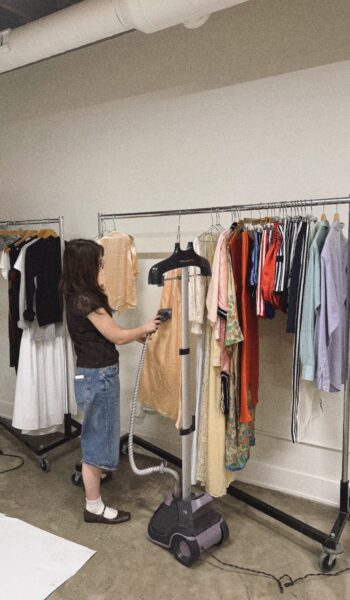
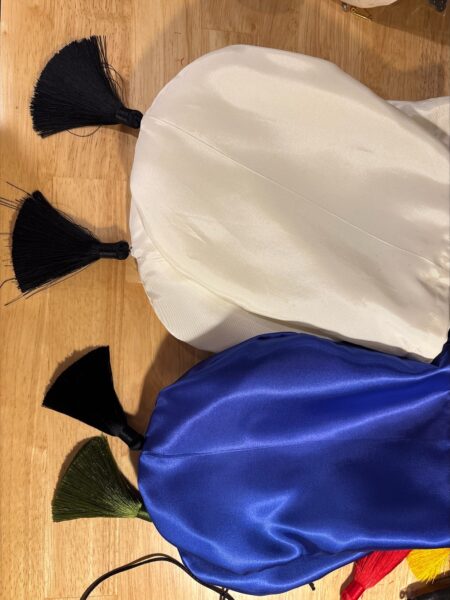
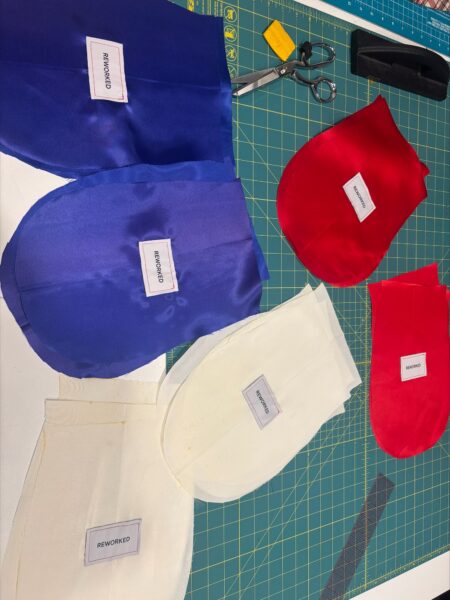
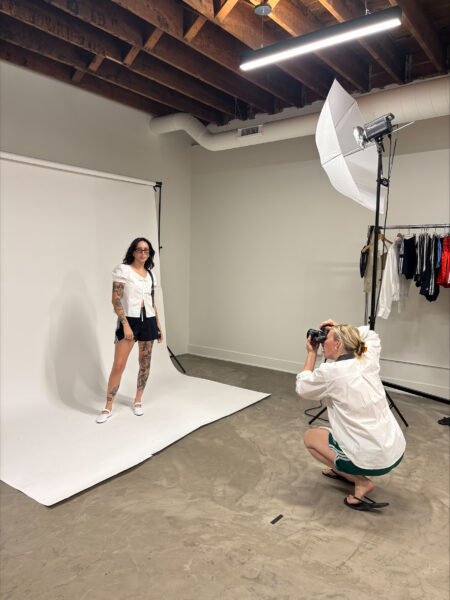
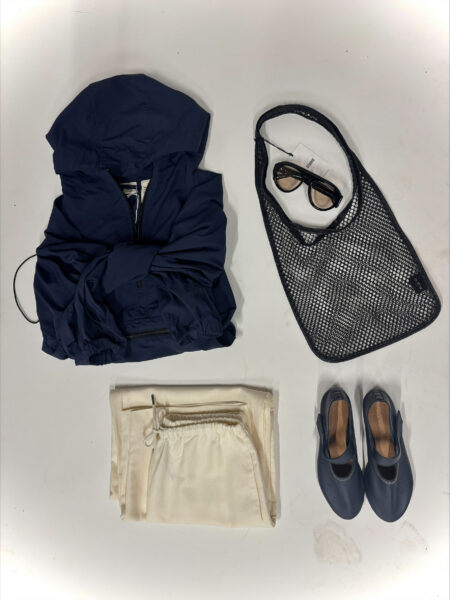
During my internship, I gained hands-on experience in a variety of areas related to fashion design, retail operations, and creative brand development. My responsibilities included repairing and altering vintage garments, reworking and modifying pieces to create unique designs, and collaborating with team members on creative projects and collection development. I also participated in photoshoots featuring both my own work and store merchandise, helping style, prepare, and showcase products for marketing and sales purposes. In addition to creative design work, I contributed to the brand's "The Loop" segment by helping update content and support ongoing initiatives. I completed daily shop responsibilities such as steaming garments, fulfilling orders, unpacking inventory, organizing merchandise, and maintaining the store environment. I also sourced items through thrifting to help curate collections and collaborated with another sewing intern to design a collection that will be featured at the end of the summer. One of my most exciting projects involved deconstructing vintage dresses and transforming them into a line of handbags for retail sale. I also designed original graphics for screen-printed products, with proceeds benefiting a women's charity. These experiences allowed me to strengthen my skills in garment construction, fashion design, visual storytelling, merchandising, and creative problem-solving while contributing meaningful work to the brand and its mission.
Accomplishments
My greatest accomplishment during my internship has been the significant growth in my sewing and garment repair skills, particularly through learning how to repair vintage denim. Denim repair is a specialized skill that not many people practice, especially when working with vintage pieces, so gaining hands-on experience in this area has been both valuable and rewarding. Learning techniques for preserving and restoring vintage garments has expanded my technical abilities and given me a greater appreciation for the craftsmanship involved in sustainable fashion and garment preservation. More than anything, this internship has helped me become more confident in my sewing skills and creative problem-solving abilities. Through alterations, repairs, garment reconstruction, and design projects, I have challenged myself to take on increasingly complex work and trust my own judgment throughout the creative process. Seeing my skills improve over time and being able to contribute quality work to the brand has been incredibly rewarding. This growth in both confidence and technical expertise is something I am especially proud of and will carry with me throughout my future career in the fashion industry.
Learning experience
One of the greatest lessons I learned during my internship was how to approach garment construction from a completely different perspective. Because I was primarily working with garments that had already been constructed, I often had to problem-solve and think creatively when altering, repairing, or reworking pieces. Rather than starting with new fabric and a pattern, I had to evaluate existing garments and determine the best way to modify them while preserving their quality, structure, and design elements. This experience taught me to think more critically about how garments are assembled and how different construction techniques affect the possibilities for alteration and reconstruction. I learned how to carefully deconstruct pieces, analyze their construction methods, and reimagine them into something new while maintaining functionality and craftsmanship. Through this process, I strengthened my problem-solving skills, creativity, and technical sewing abilities. Most importantly, I gained confidence in my ability to adapt, innovate, and find solutions when working with unique garments and design challenges.
What advice would you give?
My biggest piece of advice for future students is to invest time in creating a portfolio that truly reflects your skills, creativity, and unique perspective. In a competitive industry, your portfolio is often the first impression you make on potential employers, so it is important to make it stand out. Focus on showcasing your strongest work, highlighting your design process, and presenting projects in a way that tells your story as a creative professional. Taking the time to develop a polished and distinctive portfolio can make a significant difference when applying for internships, jobs, and other opportunities. I would also strongly encourage students to network as much as possible. Building relationships with professors, classmates, industry professionals, and internship supervisors can open doors to opportunities you may not have found on your own. Many career opportunities come from connections, recommendations, and conversations rather than traditional applications alone. Through my experiences, I have learned that a strong portfolio combined with an active professional network can be incredibly valuable and are two of the most important investments you can make in your future career.